
 Local News
19 Civilians Including a 4-Year-Old Child Detained by Myanmar Military in Ywangan
In southern Shan State's Ywangan Township, the military junta arrested and took away a…
Rooftop solar power resale program criticized as import permits and pricing problems remain unresolved
November 23
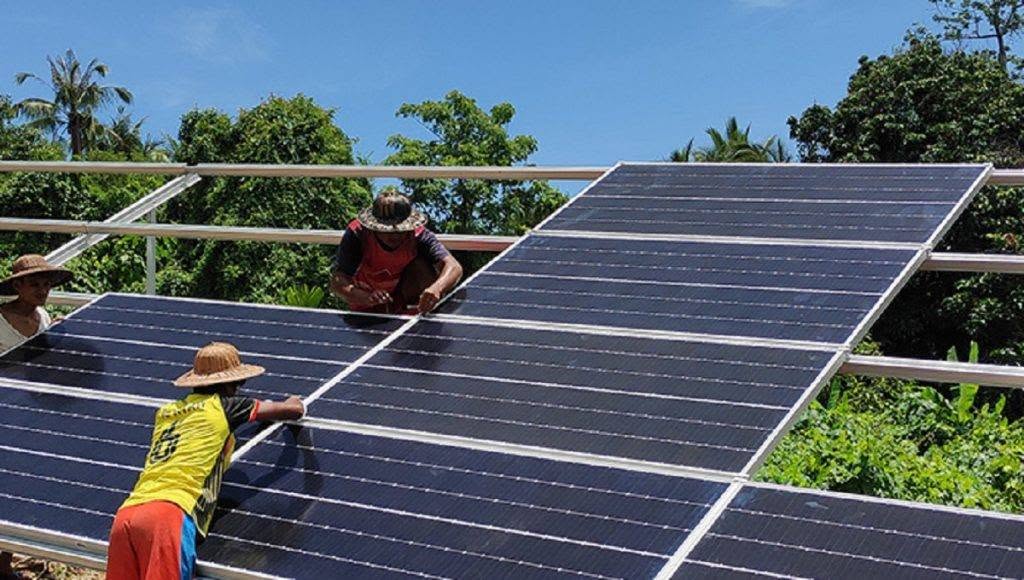
The Ministry of Electricity and Energy under the junta government is implementing a program to install solar panels on building rooftops, generate electricity, and sell it back to the state before the coming summer, but solar equipment sellers say the program will not be economically viable in practice because import permits and high prices have not been addressed first.
They say that because there are currently restrictions on importing solar panels and related equipment, shortages, and high prices, the basic conditions needed to implement the project must be resolved first.
In this project, building owners will not need to invest capital; private companies with investment capacity will take responsibility for installing solar systems, maintenance, and generating and selling electricity, and the ministry will purchase electricity from the companies under long-term contracts, it is understood.
"Announcing this program without even issuing licenses for solar and related equipment is becoming a joke. Solar panels that used to cost around 500,000 kyats per panel now cost over 900,000 kyats to buy. In a situation where goods are scarce and prices are rising, we need to calculate at what rate one unit of electricity generated from them must be sold to be worthwhile. Before this program starts, the government should discuss and arrange what is needed within itself first. Please let those who have licenses import solar equipment first and bring prices down," said a male solar equipment seller.
It was also pointed out that installing solar systems requires large initial investment and must include costs for batteries, inverters, and maintenance, so in a country with economic difficulties like Myanmar, building large centralized power plants may be more cost-effective than installing solar on each individual household.
The rooftop solar project will first be installed on the rooftops of government offices, schools, hospitals, and markets in Naypyidaw, Yangon, and Mandalay, as well as commercial and industrial buildings, and in the second phase will be expanded to residential homes, it is understood.
"Please let those who have licenses import solar equipment first and bring prices down. If solar equipment is allowed in without tax, there will be plenty of people who will install it," said a resident of Yangon.
In Myanmar, due to insufficient electricity and time-restricted power supply systems, households and businesses are increasingly using solar systems as an alternative electricity source, but rising prices of solar equipment, dollar exchange rate fluctuations, and import-related difficulties are obstacles for households to install and use them.
There are also demands to allow tax-exempt imports of solar and related equipment, to make it easier for licensed companies to import goods, and to take action to reduce prices in the domestic market.
MyoTaw News Channel
Local News
In southern Shan State's Ywangan Township, the military junta arrested and took away a…
 Local News
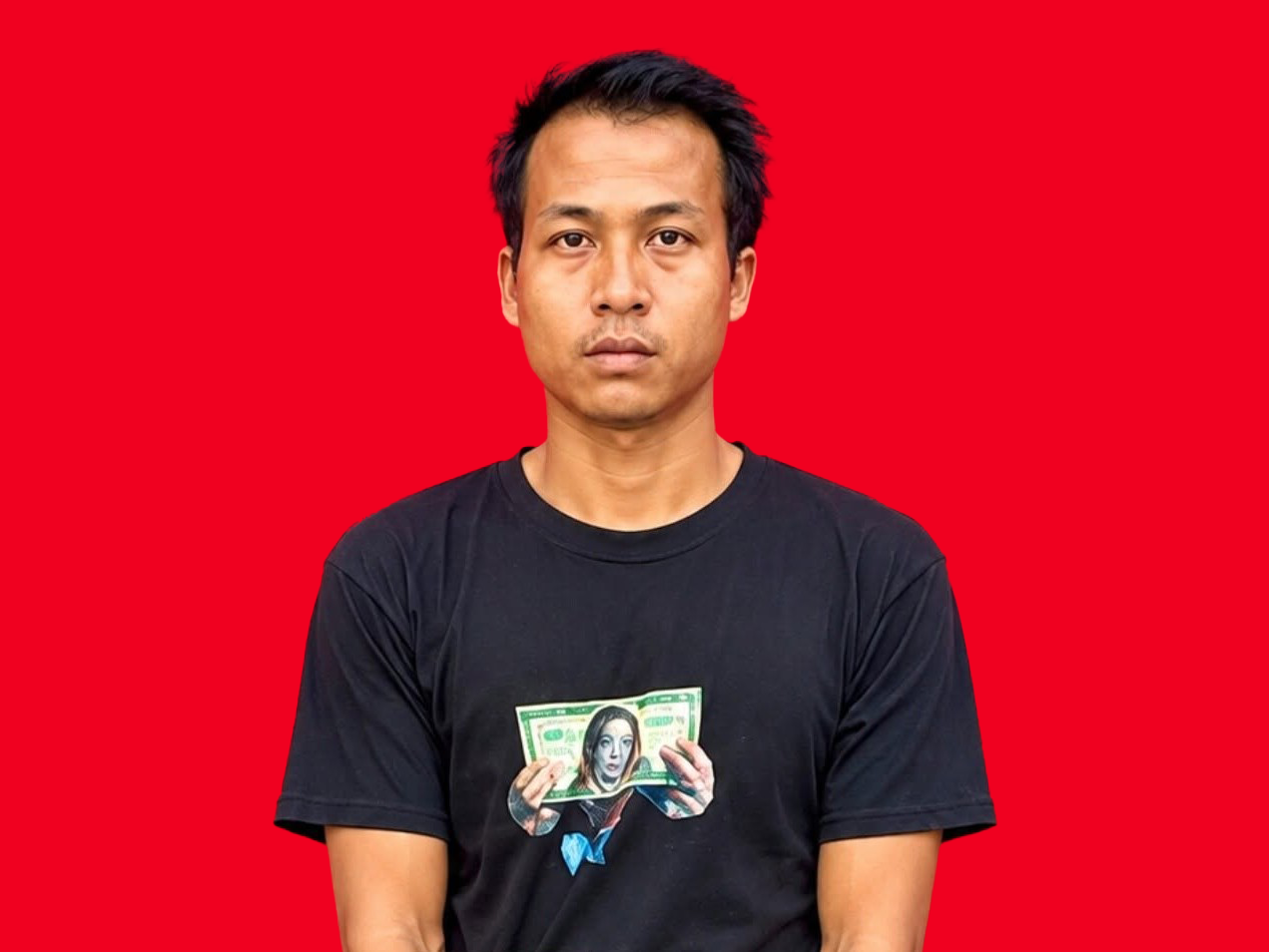
A woman who had gone missing in Shwe Pyi Thar Township, Yangon Region, was…
 Local News
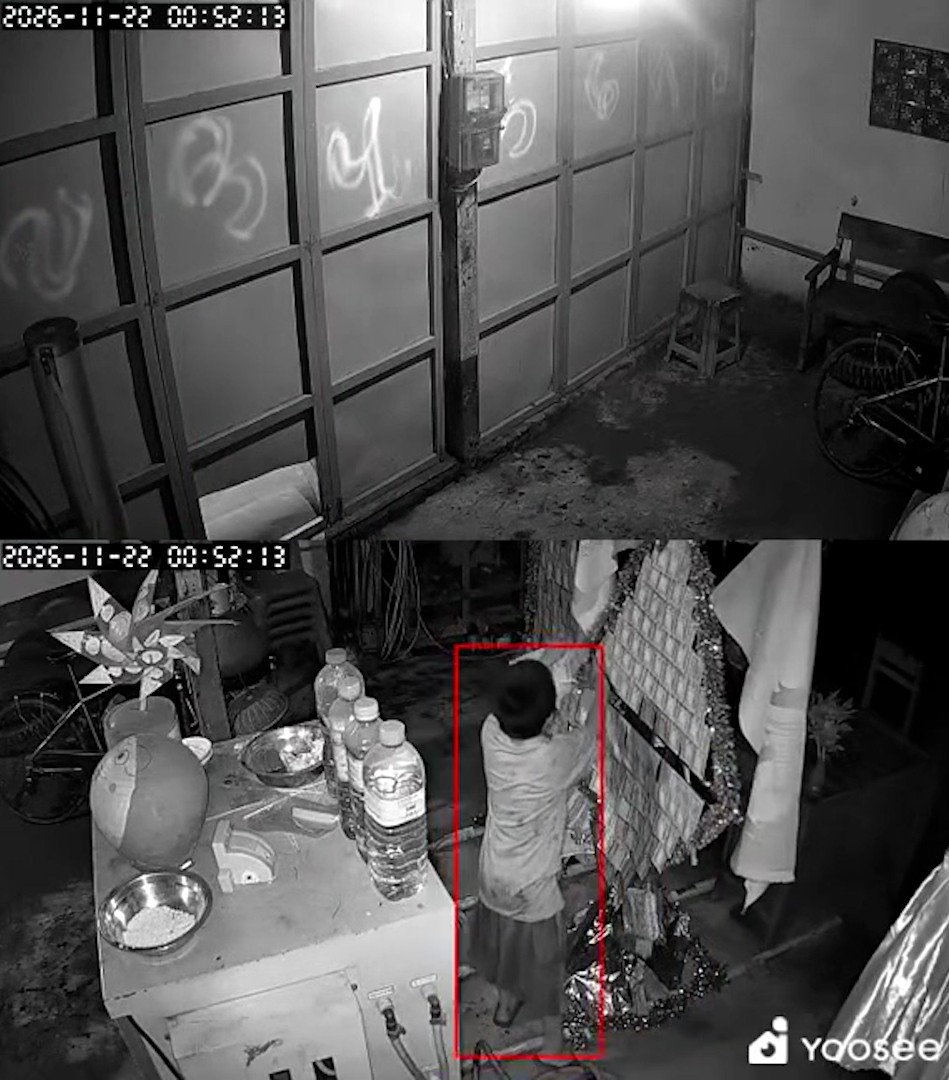
A 10-year-old child who broke into a tire shop in Hlaing Tharyar Township, Yangon…
 Local News
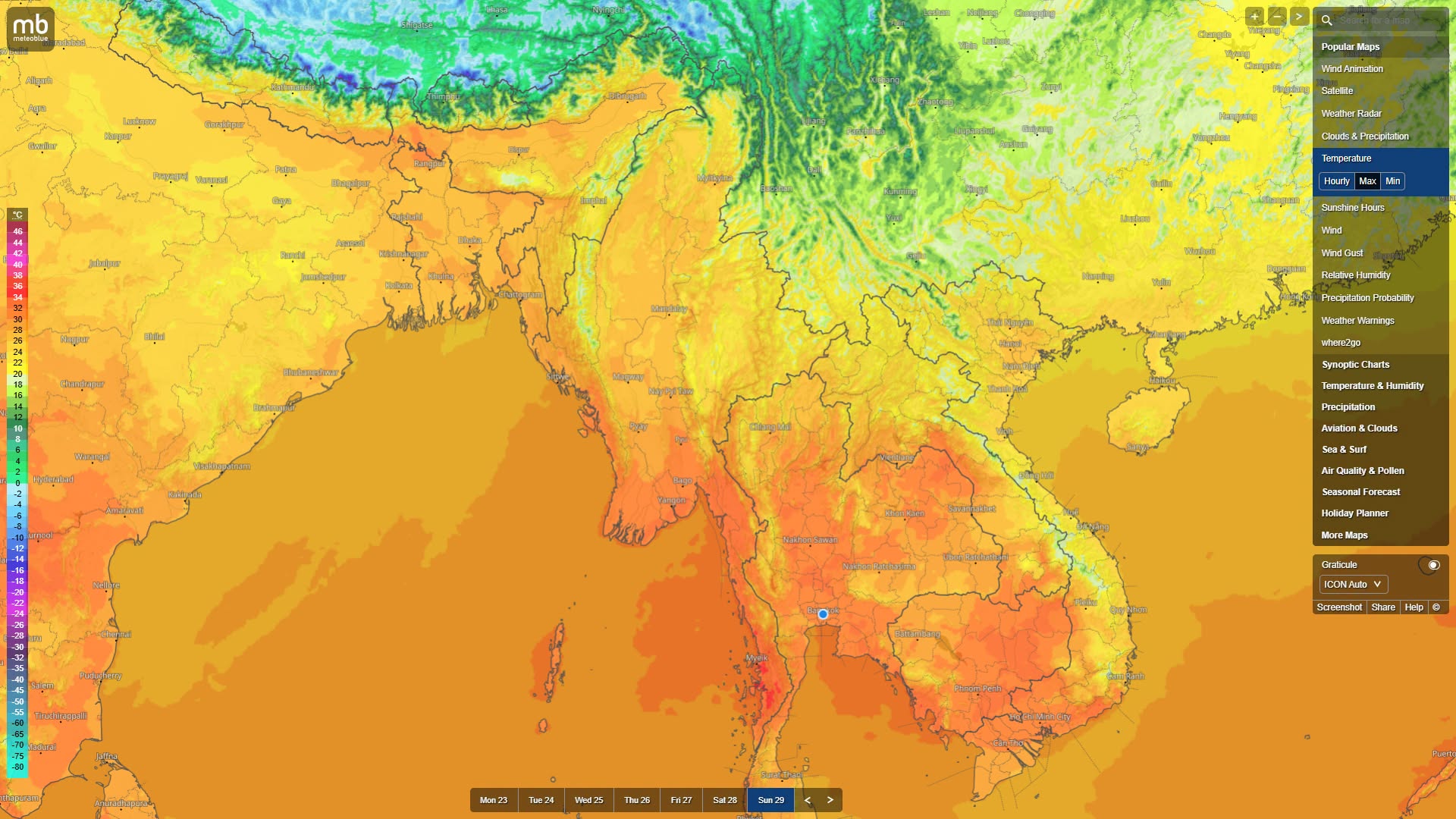
According to the Thai Meteorological Department's November 23 announcement, a strong cold high-pressure system…
