Junta Blocks Skilled Workers' Departure Abroad, Citing Lack of Employer Confirmation
November 17
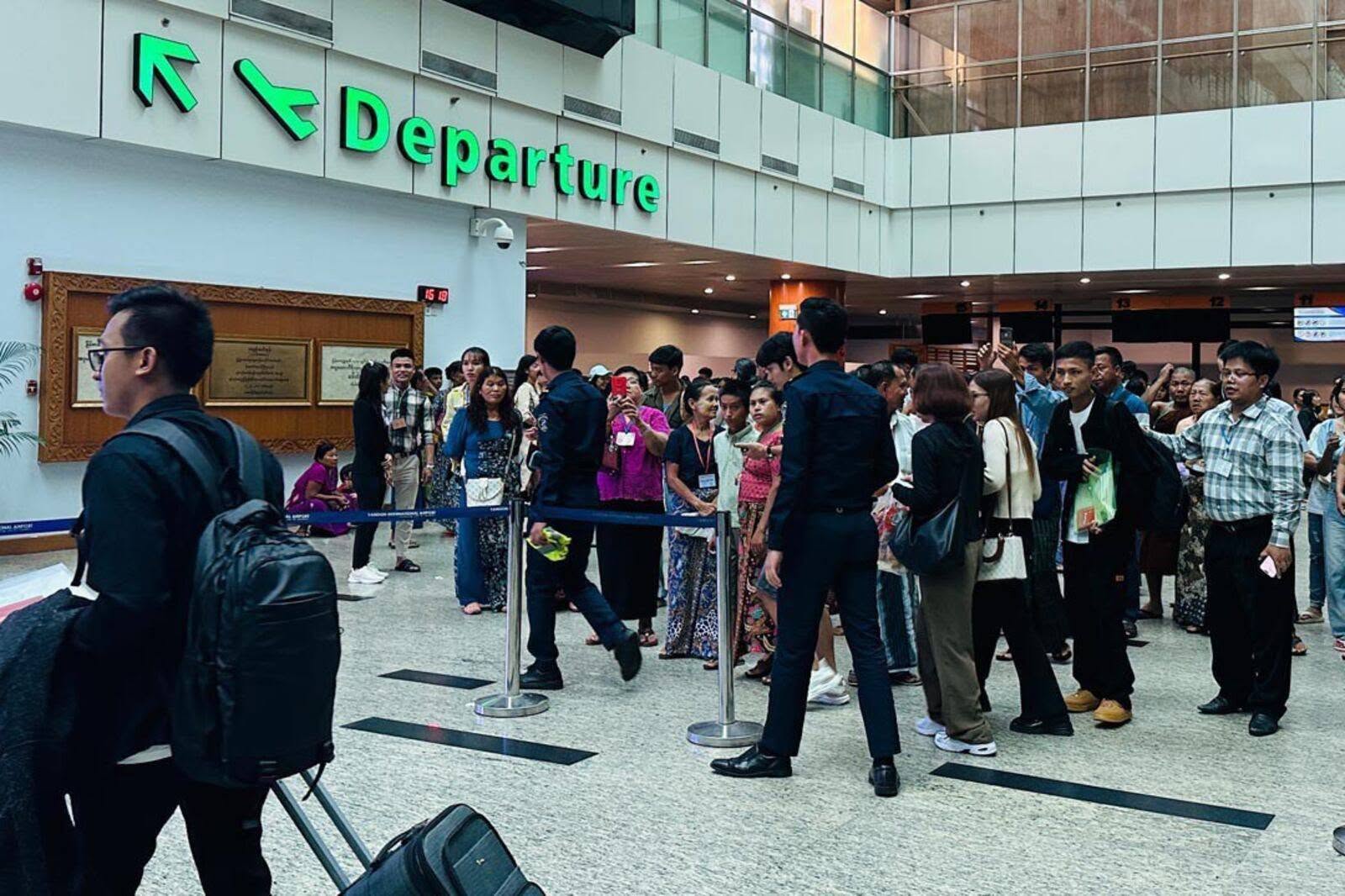
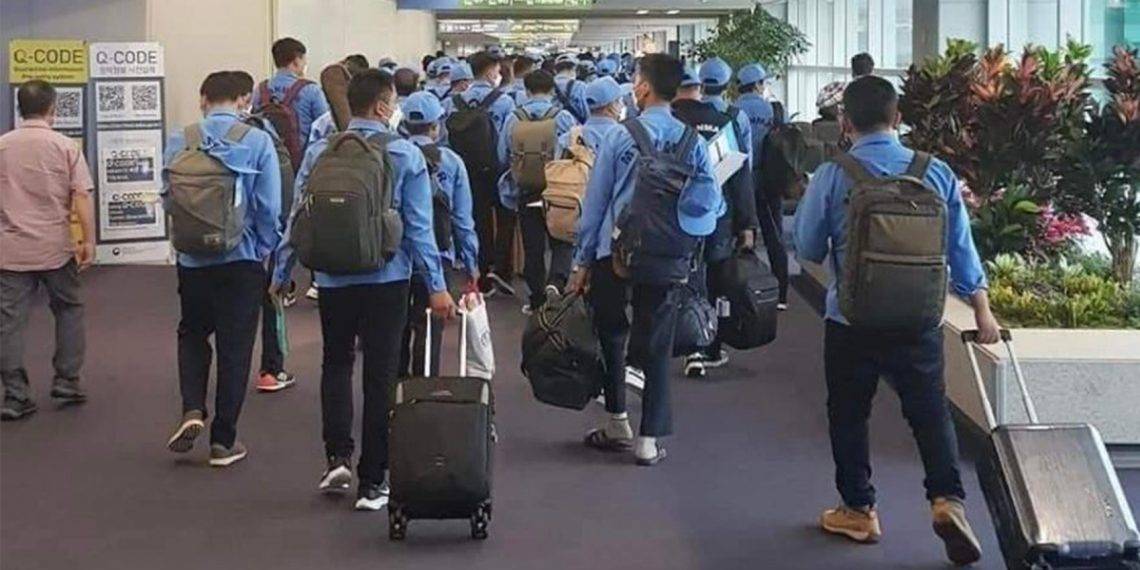
If the Myanmar embassy in the relevant country cannot contact and verify the employers and companies of skilled workers who have secured jobs abroad, the junta, under its procedures, no longer grants workers OWIC cards or permission to depart abroad, leaving workers facing situations in which they could lose their jobs, it is learned.
The names of skilled workers set to travel to Thailand, Japan and the United Arab Emirates (UAE) — countries where employers cannot be contacted — have been published this month, in November, through the Ministry of Labour's Safe Migration Telegram channel.
According to the list published in November, there are 10 skilled workers whose employers could not be contacted, and three people who were notified to resubmit because the employer's email and phone number were not included, it is learned.
"A worker sits interviews and prepares documents to get a job abroad, and has secured the job. If the worker is not allowed to depart abroad because the employer side doesn't answer the phone or reply to emails, the one who suffers is the worker. Rather than finding a way to resolve the issue of being unable to contact the employer, simply denying the worker permission to leave can lead to job loss," said a person working on domestic and overseas workers' rights.
In addition, the Ministry of Labour has stipulated that workers who have returned from abroad on leave and will depart again must, when applying for an OWIC card and permission to depart abroad, submit evidence that 25 percent of their wages was sent back to their families through an official remittance channel, along with evidence of income tax payment.
Because of these stipulations, no fewer than 300 workers who had arranged to depart again for foreign countries faced difficulties in recent months, it is also learned.
"If they want tax money from workers and are also forcing them to remit 25 percent of their wages, then they should also make arrangements to ease the conditions workers need in order to be able to work abroad. If departure abroad is tightly restricted and jobs are lost as a result, workers' efforts and expenses could go to waste," said a worker in Japan.
He said workers are not only having to strive on their own to secure jobs abroad but are also facing further difficulties in obtaining permission to depart, and a situation has arisen in which workers are the ones bearing the consequences of the employer side's lack of cooperation.
After the 2021 military coup, rules and departure restrictions on those going abroad to work were increasingly tightened, and starting in 2025 it was stipulated that 25 percent of overseas workers' wages must be sent back to their families through official remittance channels.
Similarly, workers employed abroad who return home on leave and depart again must submit an OWIC card, income tax and remittance evidence, and now, for skilled workers traveling abroad under their own arrangements as well, the ability to confirm contact between employer and embassy has been designated an important condition for obtaining permission to depart abroad.
MyoTaw News Channel

 Video
Local News