
 Local News
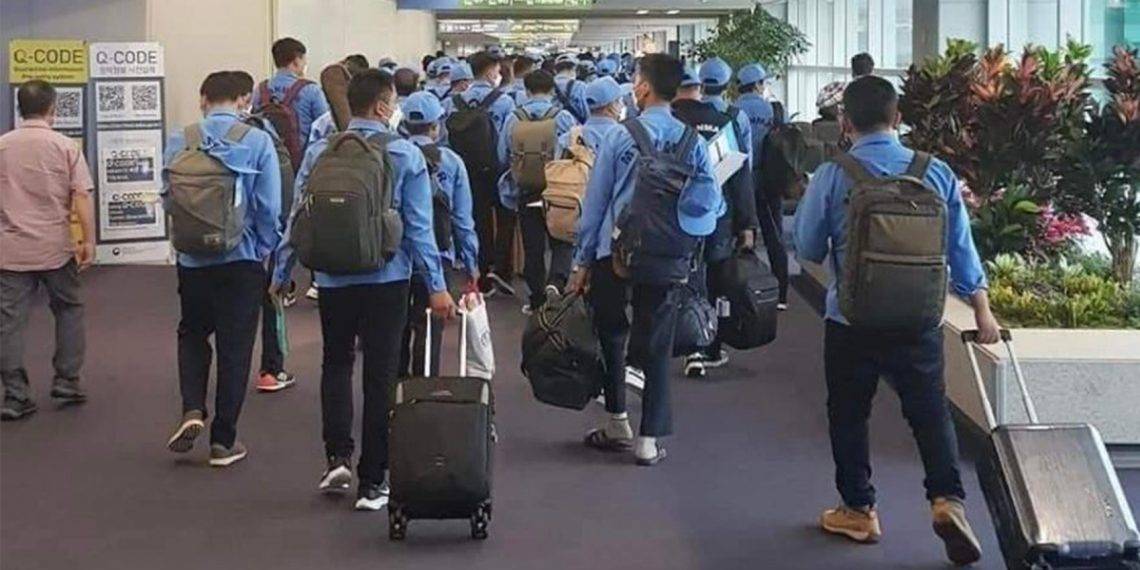
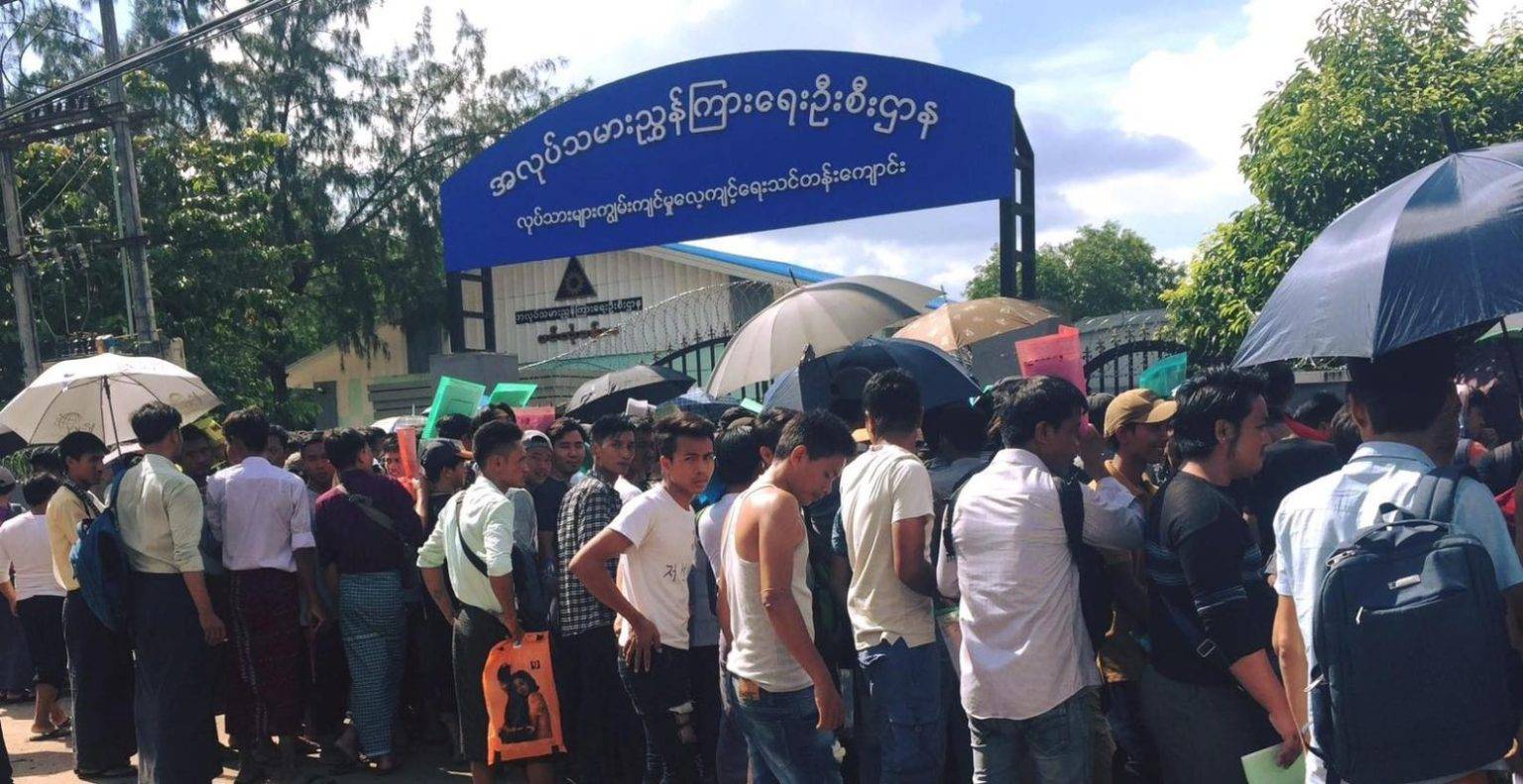
Junta Blocks Skilled Workers From Going Abroad, Citing Lack of Employer Response
Skilled workers who already have jobs abroad face losing them because, under the junta's…
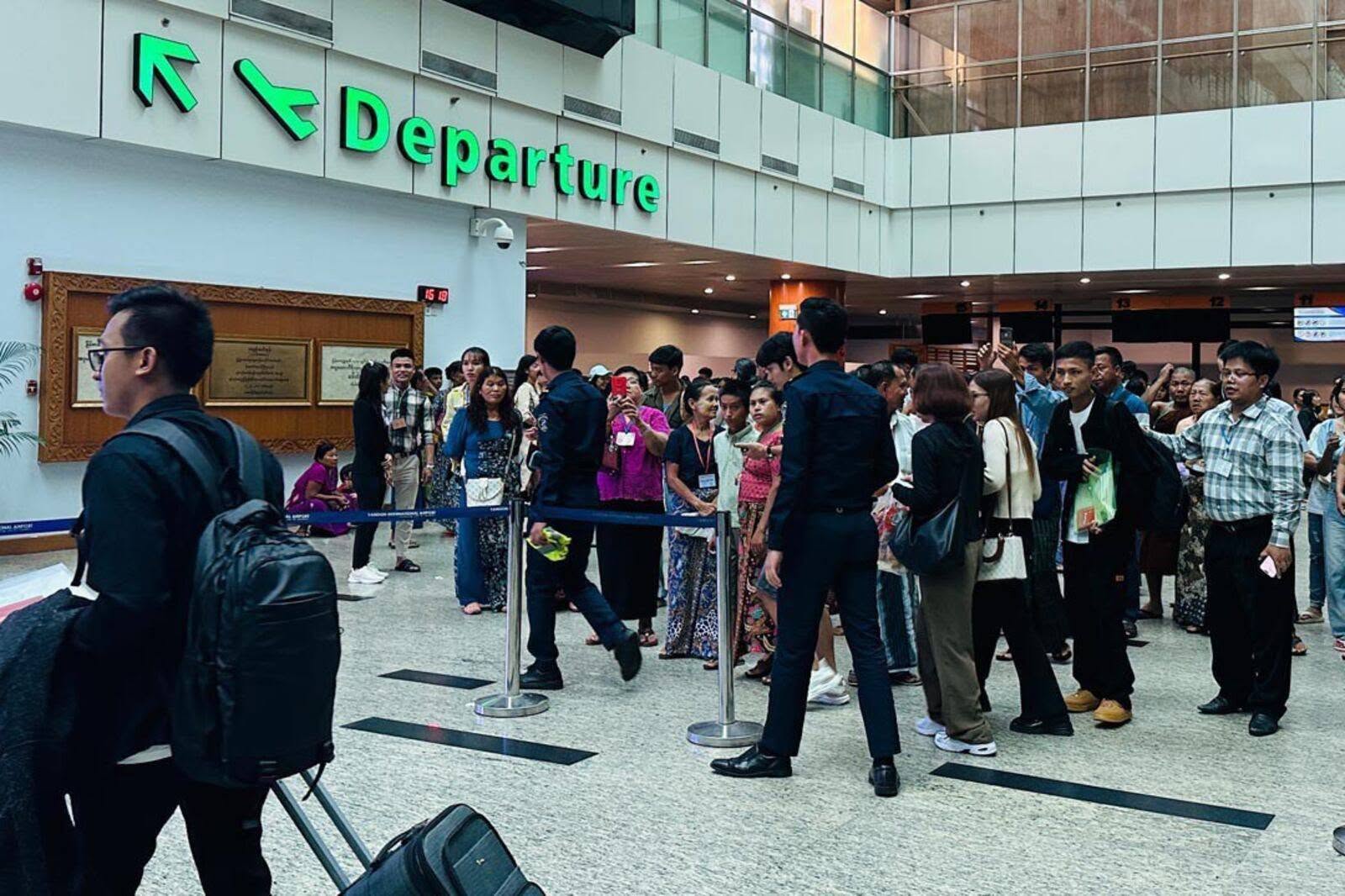
Overseas workers' bank remittance rates have increased, but remain lower than the external market rate, so losses continue
November 21
Some domestic private banks announced on November 19 that they would raise the remittance rate for overseas workers' salaries to 4,600 kyats per US dollar, but the external currency exchange market still has an exchange rate of over 5,100 kyats per dollar, so the gap in sending money through the designated remittance channel continues to exist, according to overseas workers.
Because the gap between the external US dollar exchange rate and the banks' salary remittance rate ranges from more than 460 kyats to more than 500 kyats per dollar, overseas workers still face a currency value gap between the designated bank channel and the external currency exchange market when sending money to their families, it is said.
"The current external market rate is already over 5,100 kyats per dollar. If they want the dollars of overseas workers to come back into the country, they must transfer exactly at the external market rate. Nobody wants to accept a loss and transfer their hard-earned money. If they could get it at the external market rate, there would be no need to force people to transfer 25 percent to their families. The wars should stop first; people abroad are also not exchanging money back because their money is being used to drop bombs on their own villages," said a worker in Thailand.
Many private banks, including KBZ Bank, Ayeyarwady Bank and United Amara Bank, have issued announcements giving notice of these designated rates.
Among them, KBZ Bank has set a rate of 4,600 kyats per dollar, Ayeyarwady Bank will pay up to 4,630 kyats, and United Amara Bank will add a government subsidy of 30 kyats plus 10 kyats as a Tazaungdaing special program, so up to 4,640 kyats per dollar will be received, they stated.
These rates apply only to overseas workers' salary remittances and are not related to other foreign currency exchanges, the banks have notified.
Overseas Myanmar workers have to send back a portion of their salaries to the country for their families' living expenses, but in addition to the exchange rate gap, they are also facing difficulties due to the regulations requiring the use of official remittance channels.
"The banks have raised the salary remittance rate for overseas workers compared to the previous rate, but since the external market is over 5,100 kyats per dollar, workers still suffer losses on every remittance. Since workers' salaries are income earned through their own labor, their rights and freedom of choice in how to transfer and manage that income should also be respected. Rather than pressuring them to transfer money, a remittance system that workers themselves would want to use with confidence needs to be built," said a person working on overseas labor affairs.
The Ministry of Labor under the junta government announced on August 28, 2024, that Myanmar workers working in foreign countries must send at least 25 percent of their salaries to family members through the official banking system, through holders of a Remittance Business License (RBL) permitted by the Central Bank of Myanmar, or through international remittance service businesses linked to the banking system.
In addition, overseas workers are required to present evidence of having sent approximately 3 months' salary to their families when renewing their passports, and workers who returned from abroad with permission are also facing a situation where they can only be granted re-exit permission if they can show remittance evidence when applying for permission to leave again.
MyoTaw News Channel
Local News
Skilled workers who already have jobs abroad face losing them because, under the junta's…
 Local News
At the Costec International Co., Ltd factory in Shwe Pyi Thar Industrial Zone (3),…
 Local News
Farmers in Bago Region are facing difficulties with their harvest due to fuel shortages…
 Local News
Myanmar workers in South Korea under the G to G system are being threatened…
